Project Pitch

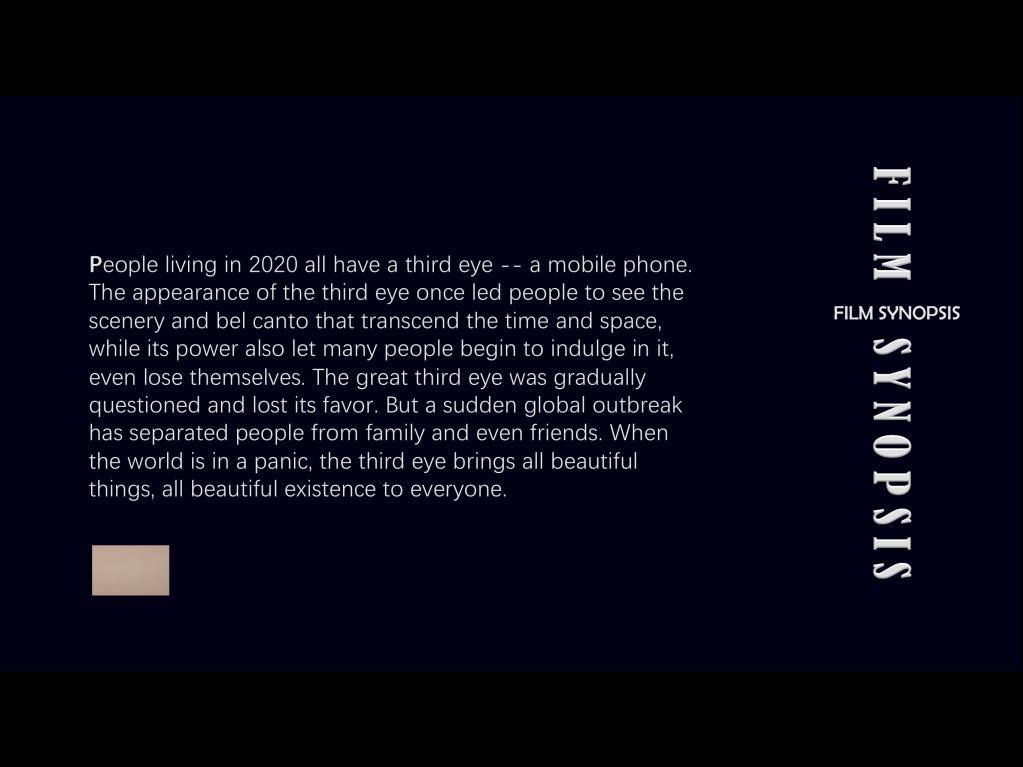
I’m going to shoot a 3-minute video about objects, called the third eye, which is a film about mobile phones, introducing the important role mobile phones play in our lives. In addition to, the film will be expressed In the form of a documentary.

Podcasting and Storytelling

It is a kind of digital broadcasting technology. Podcasting records webcasts or similar webcasts that users can download onto their ipods, MP3 players or other portable digital audio players and listen to without sitting in front of a computer or in real time. What’s more, you can also make your own sound programs and upload them to the Internet to share with your friends. Can be understood as playing audio, video client. At the same time, Podcast subscribers can subscribe to what they want to listen to or watch from multiple sources, freeing the audience from time constraints. Getting programs through “news aggregation” from different sources is the feature and main attraction of podcast listening. Podcasting can be played on any digital audio player or computer with the right software.

According to the survey, the same percentage of people who have listened to audiobooks have also listened to podcasts. This is what podcasts and audiobooks have in common, with a clear cross audience. This makes sense, since podcasts and audiobooks are both auditory ways of consuming information and stories, especially now that more and more printed books are being released with accompanying audio versions. As a result, podcasts and story-telling often work closely together, because it is easier to spread a story by using listening to address the limitations of reading.
Sound and Listening

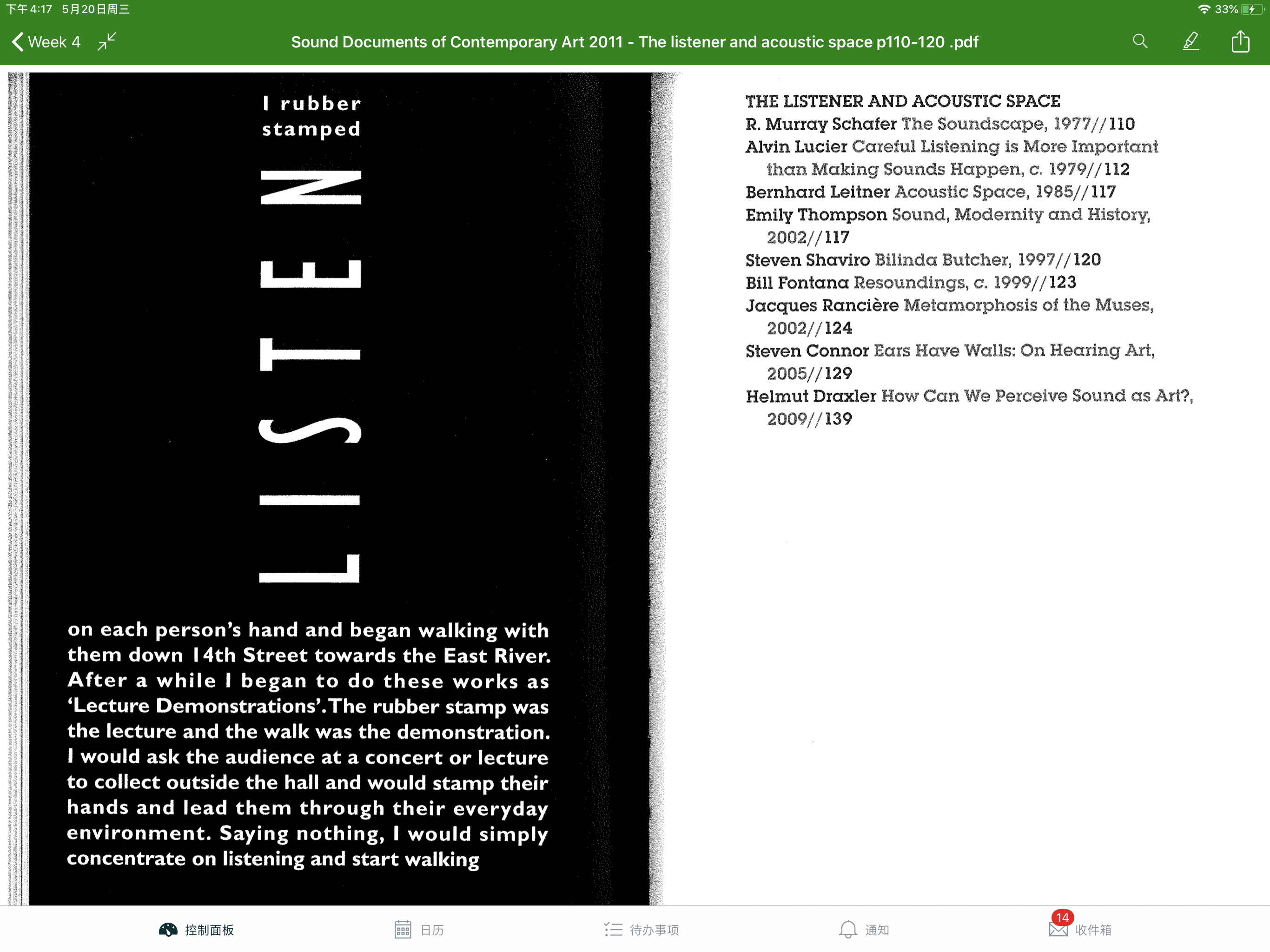
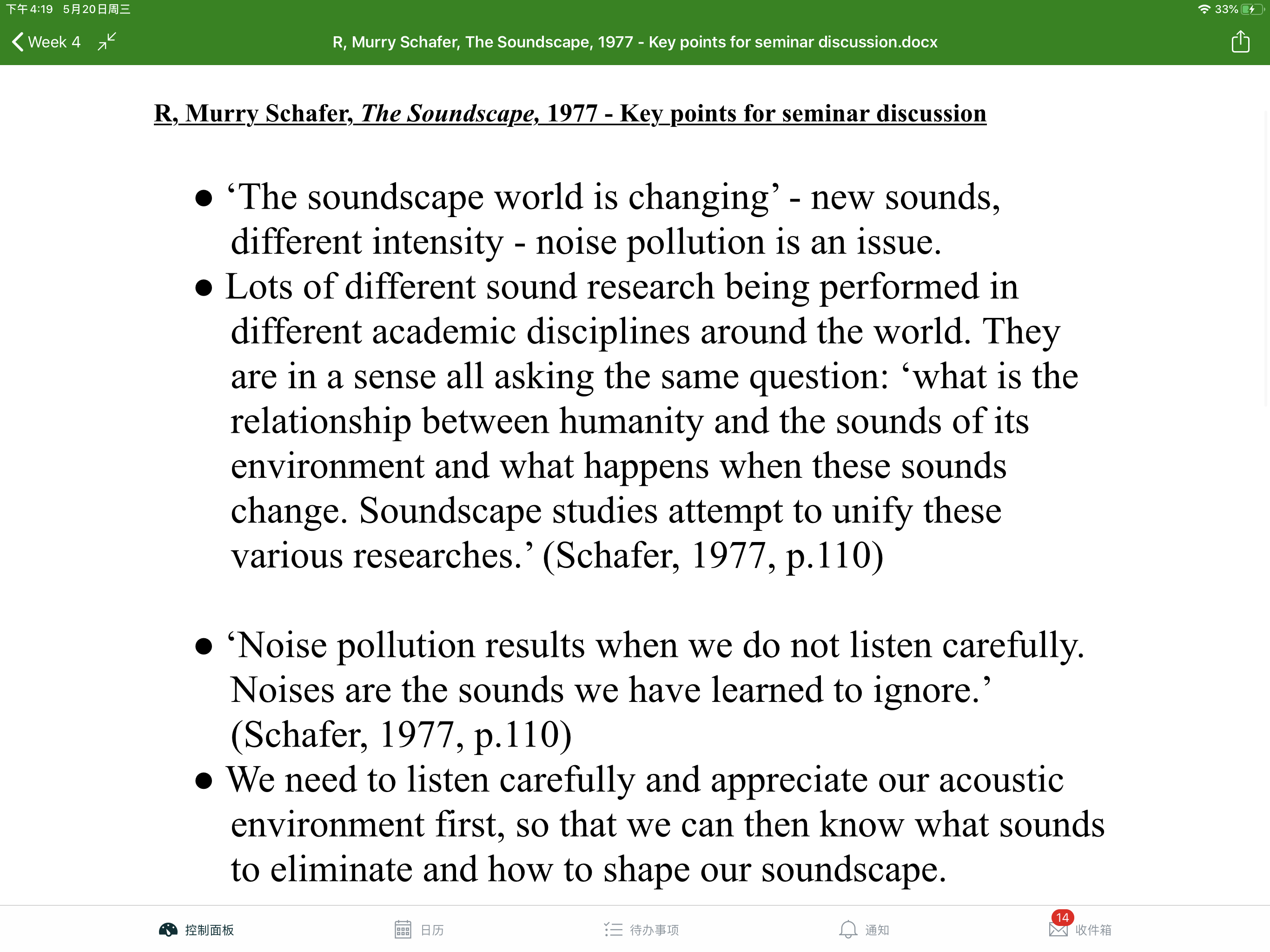
People hear different things at different times, so our acoustic environment is completely different. A new era will bring new sounds, but the difference in quality and intensity will also hurt people. Noise pollution is a worldwide problem. Sound will affect our behavior and even change our behavior. For example, music was created and adapted by human beings to reflect their own feelings, and then spread to influence others. Reading is another important way to spread knowledge. Unlike pictures, sound is more permeable and infectious, giving people an instant view of the environment.

BBC Podcasts

https://www.bbc.co.uk/podcasts/category/documentaries

There are many types of BBC podcasts. The first is to help you learn English, and the second is news. Meanwhile, there are many other BBC podcasts covering sports, music, history, entertainment and drama. Learning a language requires a lot of time and repetition, so podcasting is undoubtedly the most convenient and time-saving way, and it doesn’t matter where you are. In addition, news is one of the most popular BBC podcasts. Its wide dissemination enables more people to get the latest information and influence more people. The BBC’s information and entertainment channels are extremely accessible, allowing listeners to talk to friends in an environment that is unique to podcasting. Therefore, I think both BBC and This American Life have distinctive features that I can learn from in the sound production process.

Observational Documentary & Instruments linked Documentary

Observational Documentary:
Since the emergence of observational documentary in the 1960s, it has refreshed the concept of documentary creation. Observational documentaries, or “direct films”, are based on the technology of camcorders and video tape recorders, which can hide the photographer behind the lens and the story, and exclude interpretation outside the picture. It advocates the full use of sports long lens, synchronous recording, coherent editing and other technical means, with a transparent, unmediated style, calmly watching the attitude, the complete reproduction of the actual events. The earliest observational documentaries can be found in American society in the 1960s, the civil rights movement, the anti-vietnam war, the women’s rights movement, the workers’ strike… The turbulent politics and society bring rich shooting subjects for observational documentaries. They presented the social problems in a real and objective way, so they got a good development.
Instruments linked Documentary:
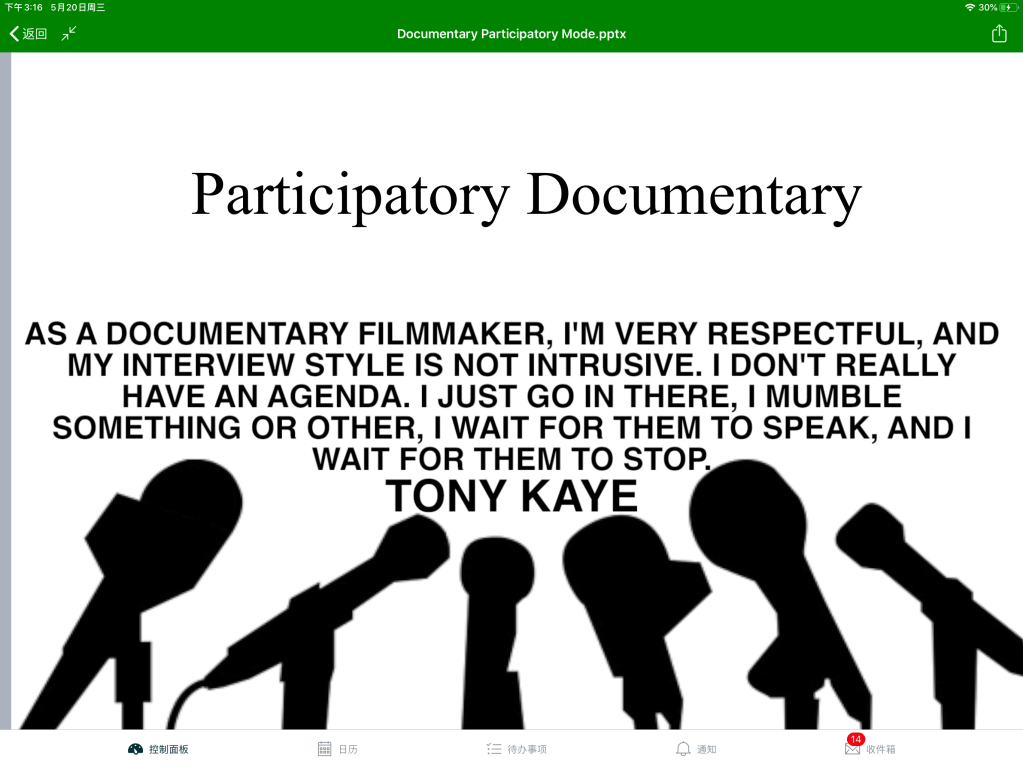
Participatory documentaries emerged in the 1960s. The representative work is the Chronicle of Summer by Jean Rouch and Edgar Morin. This type of documentary does not obscure the presence of the director, on the contrary, it deliberately emphasizes the interaction between the director and the subject. Participatory documentaries participate in the cooperative relationship of mutual trust between the photographer and the interviewee, which is the biggest highlight of participatory documentaries. And the camera position changes when to be a listener in the situation; When to step out and be a thinker is the key to this type of documentary. The nature of the documentary is to show a way of seeing things, value the value of life, to stimulate the audience’s emotions to participate in, to think, to judge, the author through the image to convey ideas, ideas and attitudes to life. Therefore, in the process of reproducing the reality, a new role will be added, that is, the photographer. Poetic mode and observation mode hide the photographer. However, in fact, it is inevitable that the photographer intervenes in the scene and has some interference with the reality. When recording the material, people must also calmly face the energy generated by the camera. Instead, it increases the audience’s omniscient perspective and sense of participation.

Podcasts

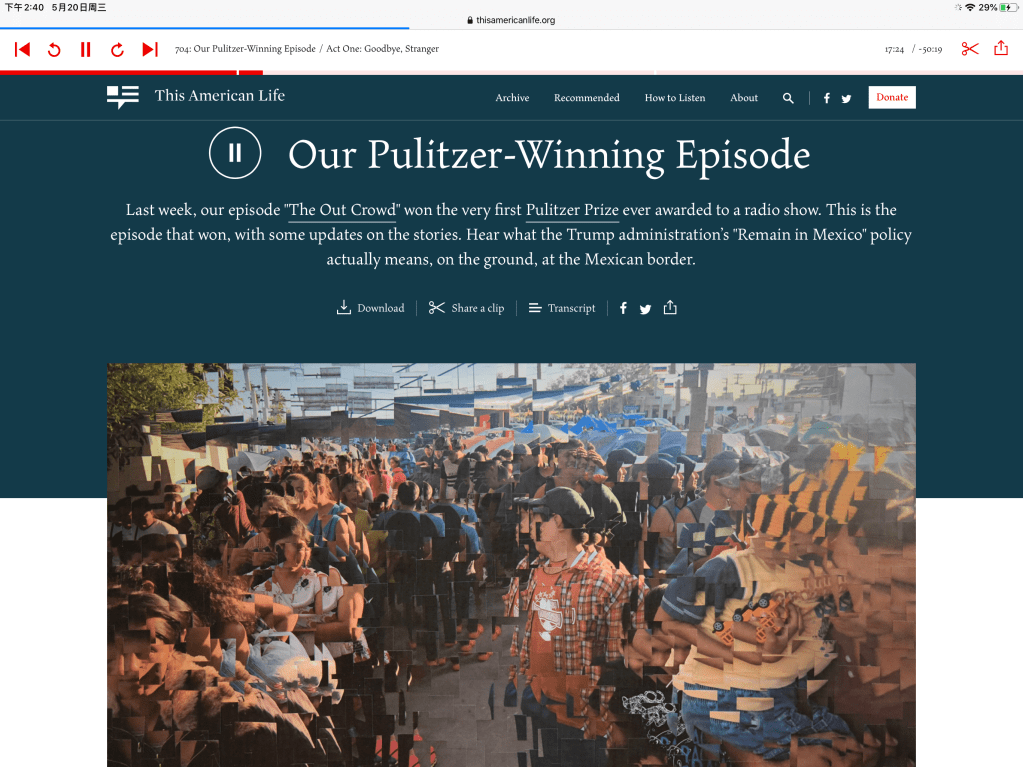
Link: https://www.thisamericanlife.org/704/our-pulitzer-winning-episode

Reflections: In fact, the existence of This American Life clearly shows that it is very difficult for an audio program to win awards or be loved and pursued by the public nowadays, which is a very cruel fact for the broadcasting companies. Still, American Life became the first radio show, podcast, or audio news of any kind to win a Pulitzer Prize. It’s also the number one narrative podcast.
My feeling after listening to This podcast is that it can let the audience know something from many aspects. For example, in This American Life, we can have a wide range of knowledge about American society, whether it is race, religion, values and so on. In addition, it can also broaden people’s horizons. Many stories have given me a different perspective on life, which enables people to have a new interpretation of life. Some of them are very, very novel. Even if you’re interested in a very niche topic, you can search the podcast and get a whole new interpretation.

Poetic documentary & Expository documentary

One of the representative works of poetic documentary “rain” is a documentary directed by Mannus Franken, which profoundly and delicately describes the process of a spring rain in Amsterdam, the Netherlands. The whole process is only 12 minutes, but this type of documentary does not emphasize narrative, the creation of a specific space and time, and the coherent editing. It focuses on the creation of rhythm, the juxtaposition of different Spaces, and the purpose is to convey emotions and emotional appeal. Therefore, poetic documentaries tend not to emphasize the relationship between the producer and the subject. It will be of great help for the object shooting I will do later, so as to better deal with the relationship between objects and people.

Expository Documentary also appeared in the 1920s. The purpose of this documentary propaganda is clear, and the creator relies on the power of commentary to persuade the audience to accept his point of view. The typical features of the form are “voice-of-god”, evidence clipping, omniscient viewpoint and so on.

Reading

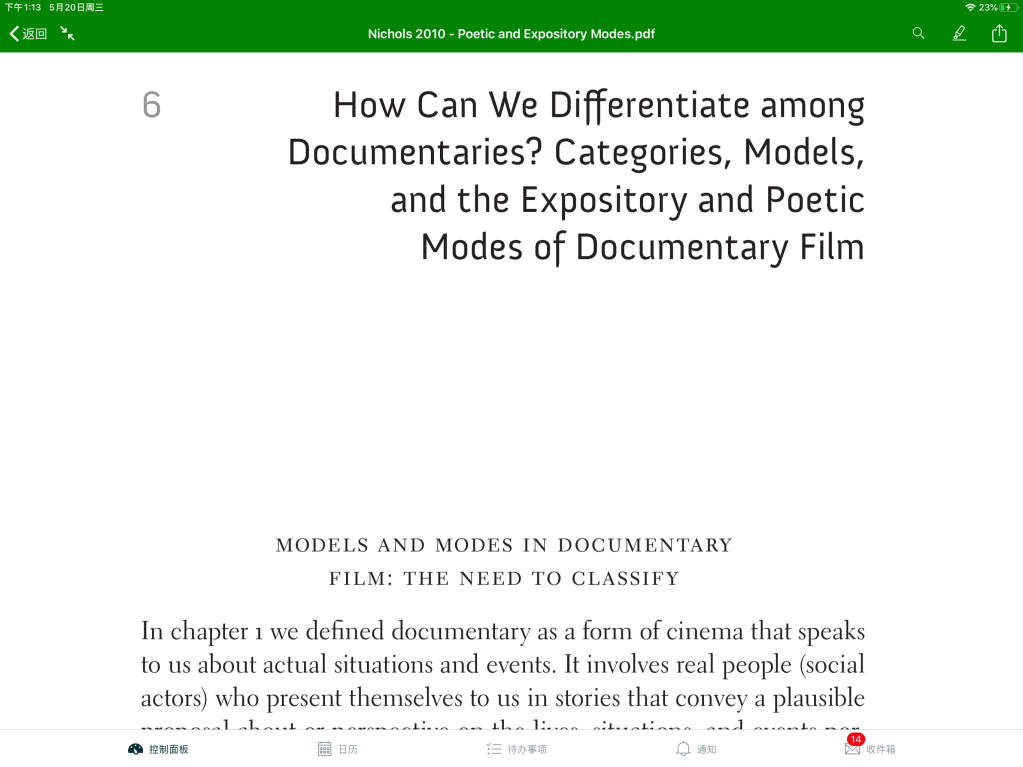
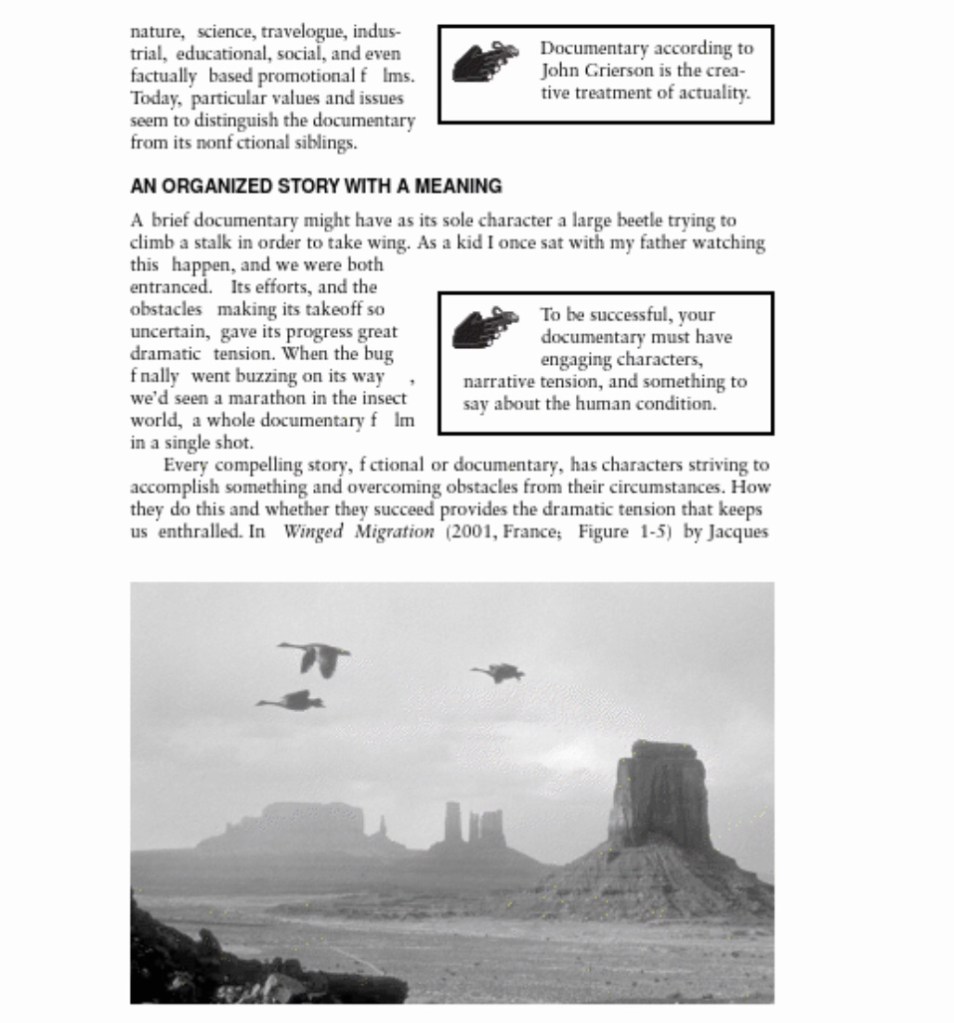
According to Rabiger (2014), I learned that documentary is a film or TV art form that takes real life as the creation material, real people and real events as the expression object, and carries out artistic processing and presentation on it. It takes the reality as the essence, and triggers people’s thinking with the reality. The core of documentary is truth. The birth of film began with the creation of documentaries. Besides, the documentary is not only to show the reality, but also to convey the spirit, warn the danger, teach the betrayal of human nature and encourage us to have ideals. At the same time, documentaries are often critical and bring people thinking.
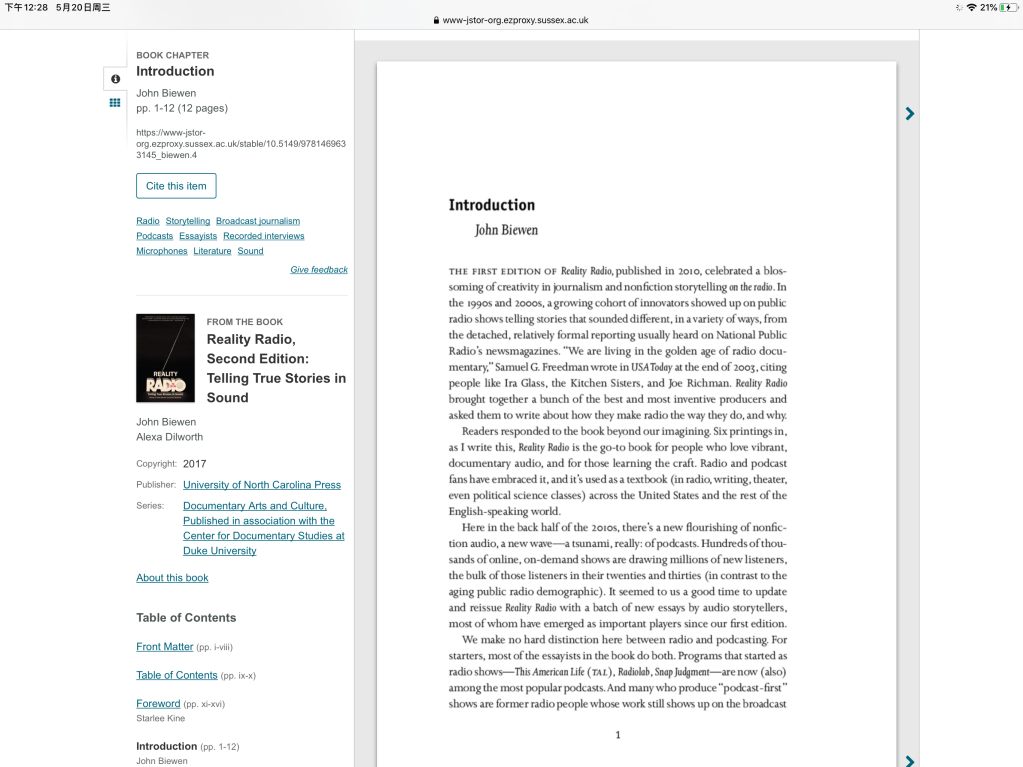
According to Biewen (2017), although blog was created by the Internet, it was also gradually replaced by rich visual culture due to its rapid development, such as TV, film and video. But radio has not been completely taken over by these new industries. Because audio can better support people’s listening, it does not affect what people need to see and what they need to make. More importantly, audio is often more effective than video to improve people’s recognition, it is more friendly and inclusive.